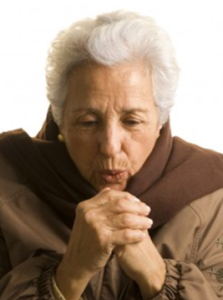
 •Lower metabolic rate, which makes it more difficult to maintain a normal body temperature when the room temperature drops below about 65 °F.
•Decreased ability to detect changes in the temperature.
•Decreased shivering and constricting of the blood vessels, which ordinarily helps maintain core body heat by diverting blood away from the arms and legs.
•Chronic medical conditions, such as diabetes, stroke, underactive thyroid, and Parkinson’s disease.
•Medications, such as antidepressants and sedatives, which may change how the body regulates temperature.
What is especially important to know is that what might seem too warm for a younger person may not be warm enough for an older person. Ideally, the thermostat should be set between 68 °F and 70°F. Even just slightly lower can trigger hypothermia in a frail, elderly person.
Preventing hypothermia in an elderly person
•Wear several layers of clothing.
•Wear long underwear, socks and slippers.
•Wear a hat or a cap.
•Keep the thermostat at 68 °F – 70 °F.
•Drink warm beverages, but be cautious with alcoholic beverages because they can increase risk.
•Check with doctor about medication risks.
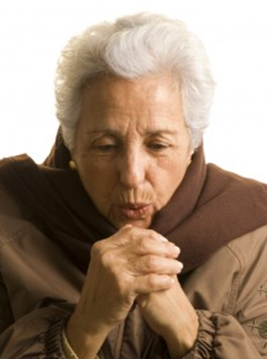
If you are caring for elderly people, be mindful that they may not be able to tell you they feel cold, may not be able to simply reach for a sweater for blanket, or may be concerned about the cost of turning up the heat. Also remember that they may not even realize it when they’re cold.
The signs of hypothermia in elderly people are easy to miss if you’re not paying close attention. Here are some warning signs of hypothermia in adults (Courtesy National Institute on Aging)
How do you know if someone has hypothermia? Look for the “umbles”— stumbles, mumbles, fumbles, and grumbles — these show that the cold is a problem.
Check for:
•Confusion or sleepiness
•Slowed, slurred speech, or shallow breathing
•Weak pulse
•Change in behavior or in the way a person looks
•A lot of shivering or no shivering; stiffness in the arms or legs
•Poor control over body movements or slow reactions
What to do if you suspect hypothermia
If you suspect someone has hypothermia, take his or her temperature. If it’s 96 °F or below, the person needs medical attention right away. The best thing to do while you’re waiting is to keep him/her warm and dry. Warm drinks are fine, but no alcohol or anything with caffeine.
The increased cost of energy make it especially important to check in on the elderly who live alone, are on fixed incomes, lack medical care, have poor nutrition, or reside in poor living conditions.