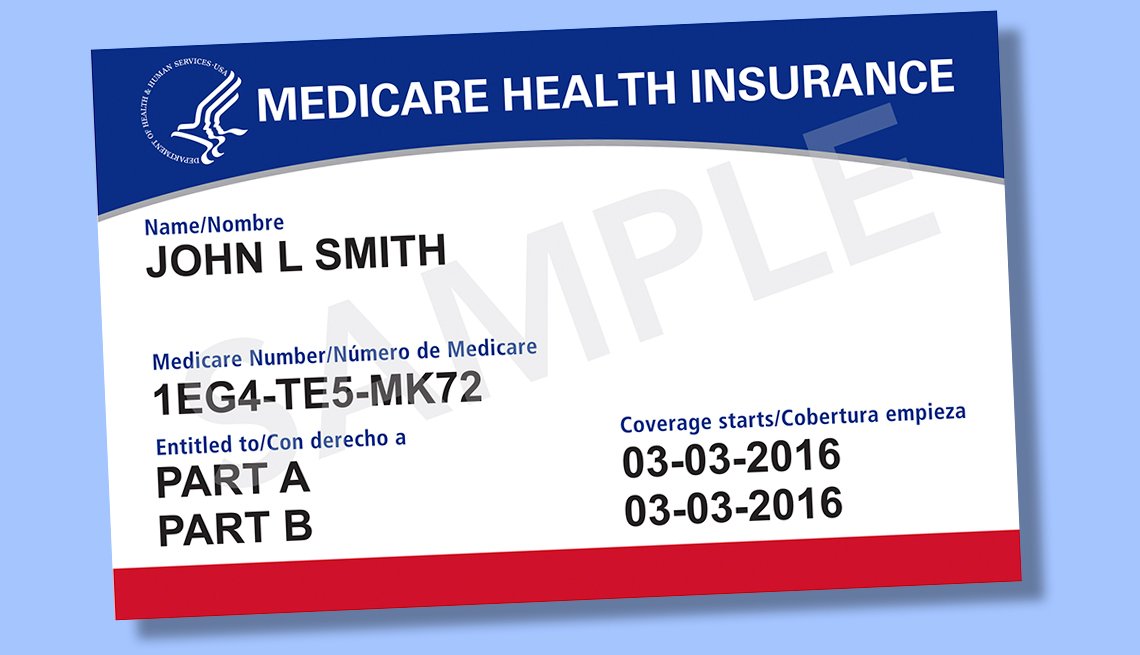
Does Medicare Pay for Home Healthcare?

There is an important distinction between medically necessary home health care and personal care services provided by an unskilled caregiver. Understanding the difference between these two levels of care is key to determining who is eligible for Medicare-covered in-home services. For more information on this topic, read The Difference Between Home Health Care and Non-Medical Home Care Services.

Only home health care services prescribed by a doctor and provided by skilled caregivers are covered by Medicare, but patients must meet specific eligibility requirements.

Who Can Receive Home Care Covered by Medicare?

Individuals must have coverage through Medicare Part A (Hospital Insurance) and/or Medicare Part B (Medical Insurance) and meet the following four criteria as set forth by Medicare.gov:

  1. Eligible recipients must be under the care of a doctor. The doctor must prescribe a plan of care that involves medically necessary services for the treatment or maintenance of a health condition. This care is intended to be short term, so the doctor is required to re-certify the plan of care every 60 days.
  2. Eligible recipients must be certified by a doctor as homebound. This means it requires a considerable and taxing effort to leave the home because of reliance on a mobility aid (e.g. cane, wheelchair or walker), special transportation, or the assistance of another person to do so. An individual does not have to be bedridden to be considered homebound and can still qualify even if they are able to leave home for medical treatments, adult day care, and short, infrequent nonmedical outings, such as religious services and family gatherings.
  3. Eligible recipients must have a doctor’s certification of need for at least one of the following services:
    • Intermittent skilled nursing care
      Intermittent means part-time services that are needed “less than seven days per week or less than eight hours per day over a period of three weeks or less.” There are some exceptions in special circumstances, but Medicare generally will not cover additional care.
    • Skilled therapy services
      These services can include physical therapy (PT), speech-language pathology (SLP) and occupational therapy (OT) and a qualified therapist must administer them. The services must be necessary to improve the patient’s condition in a reasonable and somewhat predictable period of time, to create an initial maintenance program for the condition, or to safely and effectively engage in a maintenance program with proper supervision and instruction.
  4. Home health care services must be provided by a Medicare-certified home health care agency.

What Home Care Services Does Medicare Cover?

The primary objective of Medicare’s home care program is to provide seniors with short-term skilled services in the comfort of their own homes as an alternative to recovering in a hospital or skilled nursing facility.

Skilled nursing services are those that must be provided by a qualified health professional, such as a Registered Nurse (RN) or a Licensed Practical Nurse (LPN).

Examples of these services include:

  • Monitoring of a patient’s vital signs and overall health
  • Wound care for a pressure ulcer or surgical incision
  • Administration of intravenous drugs or nutrition therapy
  • Injections
  • Catheter changes
  • Patient and caregiver education

Skilled therapy services are those that must be provided by or under the supervision of a licensed physical therapist, occupational therapist or speech-language therapist.

  • Physical therapy exercises typically focus on improving and restoring strength, balance and range of motion for optimal physical function.
  • Occupational therapy assists in regaining the ability to independently engage in activities of daily living (ADLs) and adapting these tasks or the surrounding environment to improve functionality and accessibility.
  • Speech-language therapy helps patients regain the ability to speak and communicate as well as overcome swallowing difficulties (dysphagia).

It is important to note that the above services will only be covered if they are deemed specific and effective treatments or maintenance methods for a patient’s condition. Additionally, Medicare standards will determine the eligible frequency and duration of the treatments. Once the level of care exceeds part-time or “intermittent” skilled care, Medicare is no longer a payment option. In Medicare’s eyes, home health care services are meant to prevent or delay placement in an assisted living or skilled nursing facility, not completely replace them.

Does Medicare Cover Unskilled Home Care Services?

Medicare will not pay for unskilled home care if those are the only services needed. Personal home care services (assistance with activities of daily living) or homemaker services (e.g. light housekeeping and laundry) will only be covered if they are part of the skilled services detailed in the care plan. Medicare does not cover around-the-clock home care of any kind or meals delivered to the home.

How Much Will I Have to Pay if I Qualify?

With Original Medicare coverage (Part A and/or Part B), eligible seniors will pay nothing for home health care services that are ordered by a doctor and provided by a certified home health agency. Any additional services provided outside of the approved care plan will not be covered and must be paid for out of pocket.

Be aware that before services begin, the home health agency should provide an itemized receipt or plan of care that identifies what is eligible for Medicare coverage and what is not. A written notice called the “Advance Beneficiary Notice of Noncoverage” (ABN) will detail any services and durable medical equipment that Medicare will not pay for as well as the costs the patient will be responsible for.

Reprinted from AgingCare.com


Assistive Devices for Seniors

For many individuals with senior parents who live in their own homes, mobility and safety is a constant worry. Declining agility and unsteadiness can result in falls with devastating injuries for seniors, as well tasks that were previously simple, such as getting out of bed, dressing or performing personal hygiene, may become increasingly difficult to accomplish.Must-Have Assistive Devices for Seniors

Assistive devices are fantastic resources to help seniors maintain their daily activities and routines, while encouraging personal freedom and prolonging independent living.

Assistive Devices for Seniors

Many devices can restore confidence, increase mobility and provide family members with peace of mind that their loved one is safe. Learn more from our list of must-have assistive devices for seniors:

1. ACTIVATOR Poles

These specialized poles increase balance and mobility, and are a terrific alternative to canes and walkers. The dual poles offer lateral stability and are designed for individuals living with conditions such as chronic pain, Multiple sclerosis (MS), Parkinson’s disease and stroke, or for people who are recovering from hip or knee surgery. Each pole has the capacity to bear up to 200 pounds of weight and offers a bell-shaped tip for stability and an ergonomically correct handle for core strengthening.

The poles are adjustable to accommodate all body shapes and sizes, and can be used both indoors and outdoors. The developer’s website is a wealth of information and includes a variety of user guides and video instructions on how to get the most out of the poles.

2. Buttoning Aid Hook

This device is fantastic for seniors with arthritis, fine motor impairment or reduced dexterity. This tool is simple, with a hook and wire design and comfortable grip that allows the user to button blouses, jackets and pants easily, with only one hand.

3. Freedom Grip Bed Handle

The specialized bed handle makes getting out of bed safe. The handle securely attaches to any average height bed frame with a snap lock mechanism and the assembly is fast and simple with no tools necessary. The handle itself is non-slip and nine inches wide, allowing for a firm, stable grip. This is a must-have item for individuals with arthritis, Multiple sclerosis, Parkinson’s disease or vertigo.

4. Jobar Long Reach Comfort Wipe

Maintaining personal hygiene is deeply important for your senior loved one’s dignity and independence. This assistive device is ergonomically designed for people with limited dexterity or who have difficulty reaching. The Long Reach Comfort Wipe is over 15 inches long and equipped with a soft flexible head that securely grips moistened wipes or toilet paper. There is also a quick release function for fast, sanitary disposal.

5. Lively Wearable by GreatCall

This medical alert device is a wearable product with an urgent response button that can call for help whenever it is pushed. It is fashion forward and can be clipped onto clothing or worn around the neck or wrist, and can also be worn in the shower – where a significant number of falls occur. Lively Wearable has built in fall detection technology that will alert a Certified Response Agent if a fall is detected and family members can also be registered for notification if the button is pressed.

6. Reminder Rosie Recordable Alarm Clock

This unique alarm clock is voice controlled and a great device for seniors struggling with brain injury, dementia or memory loss. It is incredibly user friendly, without fussy buttons or difficult programming features and can be personalized with the voice of the user or their loved ones. It can be customized to set daily time-specific reminders for appointments or every-day tasks.

7. TV Ears

This audible device can be connected to a television and worn like a headset to hear dialog clearly, while reducing the volume for others in the room. The television can even be muted and listened to through the headset only. This will improve the experience for everyone in the room, while ensuring your senior loved one is still able to hear and enjoy their program.

8. Uplift Seat Assist

This assistive seating device can be used in conjunction with an armchair, love seat or sofa to manually lift the user into a standing position without overexertion or strain. This is an amazing device for people living with arthritis, coccyx pain or other joint ailments who struggle to rise from a seated position to standing without pain. The memory foam cushion is extremely comfortable and features a waterproof cover; it also folds flat for easy mobility and storage.

Assistive devices can greatly improve the independence and livelihood of your senior parent. By investing in items to help your loved one perform their daily activities, not only will you help to restore their freedom and mobility, you will also have peace of mind that they are comfortable and safe in their own home.

Reprinted from A Place for Mom.

6 steps to prepare for Medicare Open Enrollment

The Medicare Open Enrollment Period (MOE) runs from October 15 through December 7 each year, and when it comes to researching and comparing all available options, sooner is always better than later.

Caregivers have a lot on their plates. When we’re overwhelmed, the natural human response is to deal with the “have-to” tasks first and put off the “need-to” tasks until they become more urgent. However, procrastinating on MOE could have medical and financial implications that last throughout 2018.

Now is the perfect time to do some research and make a few preliminary calls to get an idea of what changes need to be made to your loved one’s Medicare coverage, if any. Preparing before the enrollment period begins can prevent you from scrambling to get the information you need and making knee-jerk decisions. Try to complete at least one of these six steps each week, and you’ll be ready to tackle MOE in no time.

  1. Make sure you familiarize yourself with the different parts of Medicare and how they work together. If you come across any terminology you don’t understand, brush up at the My Medicare Matters website.
  2. Is your loved one on a Medicare Advantage Plan? Is that still working well? Make a point of opening all mail from the private insurance provider that arrives in September and October so you can be on top of any changes to premiums, deductibles, copays and provider groups.
  3. If your care recipient has a Medicare Supplemental Insurance policy (also known as Medigap), make sure you pay attention to any premium increases. At some point, you may need to consider switching to a different policy, dropping this policy or switching to an Advantage Plan.
  4. If you have been spending a lot of money out of pocket on hospital visits and doctor’s appointments (because your loved one doesn’t have Medigap or a Medicare Advantage Plan), now is the time to add up those costs and decide whether a different mix of coverage is a more affordable solution. It’s also worth looking into public programs that can assist with covering costs, such as Medicaid, a state Medicare Savings Program, or the “Extra Help” program.
  5. Go to Medicare.gov and look up the location of your local State Health Insurance Assistance Program (SHIP). There are SHIP offices in every county, the District of Columbia and U.S. Territories, but they may go by different names. For example, Florida calls it the Serving Health Insurance Needs of Elders (SHINE) Program. They often put on public presentations in the fall that cover changes in Medicare for the coming year. They offer one-on-one counseling as well, but appointments tend to fill up quickly. All of their services are offered free of charge. Now is the time to become best friends with your local SHIP counselors so that they will remember you if you have a last-minute question.
  6. The other part of the equation is making sure that you have up-to-date information about your loved one’s health status. Are they due for an appointment with their primary care physician? Will they need a referral to see a specialist in the near future? Make sure you have a current list of all their medications and know exactly why they are taking each one. If any of their prescriptions are brand name, are there generic equivalents available? If not, be prepared to ask the drug program for an exception if the expensive brand-name medication isn’t part of their formulary.

If you are a Medicare beneficiary, do not forget to factor in your own open enrollment needs. Caregivers are notorious for looking out for everyone BUT themselves. Have you taken care of your preventive visits this year? Is your current coverage both sufficient and affordable? Use the above tips to create a MOE game plan for yourself as well. Perhaps you are turning 65 in the next 12 to 18 months. Your new contact at the SHIP office can assist you with weighing your own coverage options and ensure you do not miss any important deadlines.

Help yourself by making sure you are ahead of the curve. The holiday season ramps up quickly, and even twenty minutes of preparation here and there can save you hours of frantic work in December!

reprinted from AgingCare.com


5 Lifestyle tweaks to help ward off dementia

New research shows a dramatic increase in deaths from Alzheimer’s disease, with the number climbing from 16.5 per 100,000 Americans to 25.4 per 100,000 between 1999 and 2014. Specifically, some 5.2 million Americans suffer from the disease, with nearly 94,000 dying of it in 2014. That number is only expected to rise as the elderly population grows. That’s why it’s more important than ever to do what you can to keep Alzheimer’s at bay. Here are five lifestyle tweaks that could help you ward off dement


1. Walk more

Simply adding a one-hour walk to your schedule, three times a week, can reap big rewards when it comes to dementia. A new study out of the University of British Columbia in Canada found that walking could boost brain function in those with vascular dementia. Specifically, researchers found that those with mild vascular dementia impairment who began walking frequently enjoyed lower blood pressure and showed improvement on cognitive tests. They also demonstrated more efficient thinking skills than those who didn’t walk frequently. Vascular cognitive impairment — which is most likely caused by damaged blood vessels in the brain — is widely viewed as the second leading cause of dementia, after Alzheimer’s.

2. Socialize more

The connection between loneliness and Alzheimer’s isn’t clear-cut, but some studies do show a link between a solid social network and a low risk of dementia. In one four-year study of 800 people 75 and older, lonely individuals were more than twice as likely to develop dementia symptoms than those who enjoyed a close circle of friends and family members. The biggest benefits were seen among those who were not only more socially engaged, but who were also more physically and mentally active at the same time.

In an even larger study involving 2,249 women 78 and older, researchers found that those with larger social networks were 26 percent less likely to develop dementia than those with smaller social networks. And women who connected daily with friends and family slashed their risk of dementia by nearly half.

3. Protect your head

The Alzheimer’s Association doesn’t mince words: “There appears to be a strong link between future risk of Alzheimer’s and serious head trauma, especially when injury involves loss of consciousness.” Therefore, it’s imperative that you protect your head by wearing a seat belt, using a helmet when participating in sports and making sure your home is fall-proof. While you no longer may be playing football, you might be cycling. If so, wear a helmet. To help make sure your home is fall-proof, take the following steps, all from A Place for Mom, a free senior-care referral service:

  • Make sure floors are uncluttered.
  • Remove or tack down all scatter rugs.
  • Avoid using slippery wax on floors.
  • Slip-proof the tub, and make sure the bath mat has a nonslip bottom.
  • Remove electrical or telephone cords from traffic areas.

4. Be more mindful of your diet

First, make sure your diet is rich in vitamin D, which is critical for robust cognitive function. (Besides the sun, good sources include tuna, salmon, and milk and orange juice fortified with vitamin D.) A six-year study involving 1,600 people linked Alzheimer’s disease with vitamin D deficiency. “Those who were severely deficient in vitamin D were more than twice as likely to develop Alzheimer’s and dementia than those who had adequate levels,” according to an Alzheimer’s.net article on the study.

In general, because obesity, diabetes and high cholesterol are all risk factors for dementia, it’s important to talk to your doctor about your diet and daily calorie intake. Eating more leafy greens and cutting back on red meat have also been shown to reduce your dementia risk. And in bad news for diet soda lovers, new research finds that the artificial sweeteners used in diet drinks have been linked to a greater risk of dementia and stroke.

5. Get more quality sleep

You may be getting sleep, but are you getting enough sleep? If you aren’t sleeping at least seven to eight hours a night, you could be setting yourself up for an array of health problems, including dementia, says a report from the Global Council on Brain Health, a collaborative from AARP.

Indeed, one recent study indicates that a lack of sleep may actually lead to Alzheimer’s. Why? Because a lack of sleep means less time for your nocturnal cleaning system to work. This system — also known as the glymphatic system — removes proteins called amyloid beta that can turn into the plaques that contribute to Alzheimer’s and dementia — all while you sleep.

“It’s a myth that adults need less sleep as they age. The evidence is clear that better brain and physical health in older people is related to getting an average of seven to eight hours of sleep every 24 hours,” said Sarah Lock, the council’s executive director and an AARP senior vice president.

Reprinted from AARP.


New Social Security Scam

Financial scams involving people pretending to be government employees aren’t restricted only to those Internal Revenue Service phone schemes so prevalent in recent years. Now there’s a new scam making the rounds, one in which criminals try to defraud people out of their Social Security checks.

Gale Stallworth Stone, the acting inspector general of Social Security, is warning citizens about a scheme that goes like this: Someone posing as a Social Security Administration (SSA) employee calls from a phone number with a 323 area code. In some cases, the swindler tells victims they are due a 1.7 percent cost-of-living adjustment increase in their Social Security benefits.

The impersonator then asks the victim to verify all of his or her personal information, including name, date of birth and Social Security number, in order to receive the increase. If the impostor is able to acquire this data, the person can use it to contact the SSA and request changes to the victim’s direct deposit, address and phone information.

According to the warning, the SSA will sometimes reach out to citizens by phone for customer service purposes, but the agency’s reps will not ask for personal information this way. Anyone who receives a suspicious call is encouraged to report it to the Office of the Inspector General at 1-800-269-0271 or online via https://oig.ssa.gov/report.

The SSA also operates a toll-free customer service number for anyone with questions or concerns (1-800-772-1213), which can be contacted from 7 a.m. to 7 p.m., Monday through Friday. (Those who are deaf or hard of hearing can call Social Security at 1-800-325-0778.)

You can also stay on top of con artists’ latest tricks by signing up for AARP’s free Watchdog Alerts.

Stone continues to warn citizens to be cautious and to avoid providing information such as SSN and bank account numbers to unknown individuals over the phone or the internet unless they are absolutely certain of who is receiving these personal details.

“You must be very confident that the source is the correct business party and your information will be secure after you release it,” Stone said.

Reprinted from AARP Fraud Network.


Make -A-Wish Foundation Fraud

A new scam is popping up across the country using the name of the Make-A-Wish Foundation.

How It Works:

  • The scammer calls from the “Consumer Protection Agency” or the “Federal Trade Commission” to tell you that you have won 2ndplace in a Make-A-Wish Foundation sweepstakes – a $450,000 prize! You just have to pay $4,500 in processing fees to claim your award.
  • Don’t have the cash? No worries! The caller will offer to lend you the money. He just needs your bank account information to wire it to you.
  • There is typically a follow-up call explaining that the grand prizewinner is ineligible because he was an illegal immigrant, so guess what? You win your $450,000 prize PLUS the $1 million prize! You just need to pay extra for the processing.
  • The scammer will even give you a phone number you can call to verify the “Make-A-Wish Foundation Sweepstakes” is legit, but you are just calling a scammer who is part of the criminal enterprise.

What You Should Know

  • The Make-A-Wish Foundation never engages in sweepstakes.
  • There is no such agency as the “Consumer Protection Agency” and the Federal Trade Commission does not handle sweepstakes (though they do go after fraudulent ones).
  • A similar scam occurred seven years ago, and the criminals were able to steal more than $20 million before being shut down.

What You Should Do:

  • If you get a call like this, hang up.
  • If you or someone you know receives a call regarding this bogus Make-A-Wish Foundation Sweepstakes, please notify the Federal Trade Commission at 1-877-FTC-HELP or ftc.gov/complaint.

Hang Up on Tech Support Scams

Scammers have gotten good at convincing unsuspecting victims that they have a computer virus. Their end game is to take your money or gain access to your personal financial information.
 How It Works:
  • You get a call or see a pop-up message on your computer warning that you have a virus (the caller will claim to be from Microsoft or Apple or another well-known tech company).
  • They convince you to give them remote access to your computer so they can fix the problem, but they actually install malware that steals sensitive data like user names and passwords.
  • Or, they get you to fork over credit card information and charge you for phony services, or services you could get for free.
What You Should Know:
  • Criminals have figured out how to spoof caller ID numbers so they appear to be calling from a legitimate company, so don’t rely on caller ID.
  • Even tech savvy consumers get caught up in this scam, so don’t assume you are immune.
What You Should Do:
  • Hang up on anyone claiming to be from tech support.
  • If you get a pop-up alert that appears to freeze your computer, don’t follow the instructions. Just shut down your computer and restart to get rid of the phony ad.
  • Look inside the tech support scam from the perspective of a former scammer at www.aarp.org/techscams

Reprinted from AARP Fraud Network.

New Scam Targets Social Security Benefits

Special Alert: New Scam Targets Your Social Security Benefit
 How It Works:
  • A scammer calls from a 323 area code, posing as a Social Security Administration (SSA) employee.
  • In some instances, the scammer tells the victim he or she is due a cost-of-living adjustment increase in their Social Security benefit.
  • The caller then tries to get the victim to verify their Social Security number, name, date of birth, parent’s name and other personal information.
  • If the scammer succeeds, they use the information to make changes to the victim’s direct deposit, address, and telephone information.
What You Should Know::
  • The SSA does  occasionally call people for customer service purposes.
  • Only in very limited situations, usually known by the person being called, will the SSA ask to confirm personal information.
What You Should Do::
  • Never provide information such as your Social Security number or bank account numbers to unknown people over the phone or internet unless you are certain who is receiving it.
  • If you have questions about any SSA communication ; a call, letter, email or text , contact your local Social Security office or 1-800-772-1213.
  • Report suspicious calls to the Office of the Inspector General at 1-800-269-0271 or online at https://oig.ssa.gov/report.

Reprinted from AARP Fraud Watch.

IRS Imposters Don’t Take Summer Break

 How It Works:
  • Scammers call taxpayers to claim the IRS has already mailed them two certified letters about an outstanding tax bill, but the letters were returned as undeliverable.
  • The scammer threatens immediate arrest unless the tax bill is paid using a prepaid debit card.
  • The scammer falsely contends that the prepaid debit card is linked to the IRS’ Electronic Federal Tax Payment System (EFTPS).
 What You Should Know:
  • The IRS and its authorized private collection agencies do not accept prepaid debit cards, wire transfers or gift cards as forms of payment.
  • It’s a scam if you are threatened with arrest for nonpayment.
  • The IRS will not direct you to pay through a third party. Tax payments should only be made payable to the U.S. Treasury.
 What You Should Do:
  • If you are in doubt about whether or not you owe taxes, contact the IRS at 1-800-829-1040.
  • If you don’t owe taxes and get a call like this, hang up immediately.
  • Report IRS imposter scams to the Treasury Inspector General for Tax Administration online or by phone, 800-366-4484.

Reprinted from  AARP Fraud Watch Network.


Recognizing Signs It’s Time for Assisted Living

Sometimes caring for someone with dementia takes a toll on the caregiver and their family. We asked a psychologist how to tell if assisted living is right for your parent or loved one.How to Recognize Signs It's Time for Assisted Living

More than 15 million Americans devote time and energy to caring for a loved one with Alzheimer’s disease or other dementia, according to the Alzheimer’s Association, but sometimes the cost of caregiving becomes too high. Caregivers find themselves unable to bear the burden of providing home health care without suffering from stress and illness themselves. At that point, it may be time to consider whether to move a loved one into assisted living if their health needs become too much to handle at home.

Signs that Your Loved One May Need Assisted Living

Moving a family member into residential care is never an easy decision. However, there are some telltale signs that caregivers can look for in order to recognize when it’s time for assisted living:

  1. Wandering: In later stages of dementia, the risk posed by wandering becomes much greater, notes Rita Vasquez, M.A., an MFTI Clinician at Quail Lakes Counseling Center in Stockton, California. “They can wander even if you just take the time to go to the bathroom,” she says, and the probability of falls and injuries increases.
  2. Sundowning: Sundowner syndrome” — very agitated behavior that becomes more pronounced later in the day — is a common characteristic of those with Alzheimer’s. Vasquez says that this can take a heavy toll on caregivers, and when it begins to severely disrupt family routines, this may be a sign that the caregiving burden is too hard to handle.
  3. Aggression: Verbal, physical, and even sexual aggression frequently happen in those with dementia, and caregivers and other family members may suffer or begin to feel resentful. “I tell people when they’re getting to that state, it’s time to start considering placement,” says Vasquez.
  4. Home safety issues: Ask yourself honest questions about your senior family member’s health and your own abilities to care for them. Is the person with dementia becoming unsafe in their current home?
  5. Escalating care needs: Is the health of the person with dementia or my health as a caregiver at risk? Are the person’s care needs beyond my physical abilities? If you’re answering yes to those questions, it might be time to have that tough family conversation.
  6. Caregiver stress: Stress and other caregiver symptoms can be just as telling a sign as the dementia behaviors described above.

Caregiver Stress May Indicate a Need for Help

An article in the New York Times discussed the psychological costs of caregiving and of making difficult care decisions, which some professionals are likening to the effects of post-traumatic stress disorder. Caregivers may experience symptoms like “intrusive thoughts, disabling anxiety, hyper-vigilance, avoidance behaviors,” and more. Rita Vasquez attributes these symptoms not only to the pressures of caring for someone with dementia, but also to the disruptions to normal sleep and eating patterns that result when one is spending so much time on caregiving: “When the brain is always on alert, many things are going to happen — you’re not going to eat well, your nutrition is going to go down,” and physical health suffers. The emotional, mental and physical toll of caregiving can be particularly pronounced for spouses of those who need care. In one of the families Vasquez works with, the wife and primary caregiver is 80 years old. “She’s taking care of her 85-year-old husband and it’s draining her,” Vasquez says. “When he fell recently, she couldn’t pick him up and had to call the paramedics.” In cases like this, it might be clear immediately when the demands of care become too great. In other cases, it might not be so obvious. However, if you are feeling isolated and alone, or if you begin to feel resentful of your loved one, it might be time to examine the source of those feelings, says Vasquez. “Sleep deprivation, anger, resentment, all those things will become part of what happens to a caregiver,” she says. “And, of course, the guilt, when you think, ‘I’m not doing enough.’” When that happens, it’s important to recognize how much you’ve been giving to your loved one, and perhaps tell yourself, “Okay, I’m not living a life for myself anymore, I’m living for that person.”

My Loved One Needs More Help Than I Can Give — What Now?

Deciding between assisted living vs in-home care is never easy, and caregiver guilt and grief are common reactions to moving seniors out of their homes. As Rita Vasquez puts it, “We lose our family member twice: once to the disease, and again when they pass.” Caregivers may wonder if they could or should have done more; they may feel separation anxiety in moving their loved one to another location. If family dynamics are difficult — if, for instance, a caregiver caring for a parent had an unhappy childhood — that may further complicate the decision process. This is why planning ahead is so important: “If you know your family member is in the early stages of [illness], first and foremost you want to get all your paperwork together,” Vasquez says. “It’s in our culture that we don’t want to talk about those things,” but before dementia begins to affect your loved one’s cognitive health, it’s important to have someone help them collect the right paperwork and make those critical decisions, whether it’s a friend, family member, or physician. Planning ahead, getting informed, and involving the appropriate persons in the decision will ultimately help ease the process when it’s time to move your loved one into care. The best way to be there for them, Vasquez says, is to know that they are in the proper place for getting the care that they need. Visit communities before choosing one, and make sure they have activities and medical support appropriate to dementia patients. Ultimately, she says, try to remember that if you’ve done that research “They are going to thrive wherever you send them.”

Caring for the Caregiver

As a caregiver, it can be difficult enough to find time to care for your senior loved one, let alone yourself — even if your family member is in residential care. But staying healthy is one of the best things you can do to provide the support your loved one needs. Arranging a short stint in respite care is one way to get some time to rest and recuperate, especially if you are caring for someone at home. Taking care of your mental health is also critical, and there are many benefits to seeking out a circle of support to bolster you when times are difficult. Counseling, therapy, and support groups all exist to help family members going through transitions relating to Alzheimer’s and dementia. Check with the facility that your loved one is moving to, suggests Vasquez, who has led caregiver support groups and coordinated family services at a local residential care facility. Many care homes, she says, offer support groups and other resources for families. These resources can help you come to terms with the idea that sometimes the best decision for the health and happiness of both parties is putting your loved one into care. “We have to know that as a human being, we can only do so much without taxing our health,” says Vasquez.

Reprinted from A Place for Mom