Scammers hide harmful links in QR codes to steal your information

QR codes seem to be everywhere. You may have scanned one to see the menu at a restaurant or pay for public parking. And you may have used one on your phone to get into a concert or sporting event, or to board a flight. There are countless other ways to use them, which explains their popularity. Unfortunately, scammers hide harmful links in QR codes to steal personal information. Here’s what to know.

There are reports of scammers covering up QR codes on parking meters with a QR code of their own. And some crafty scammers might send you a QR code by text message or email and make up a reason for you to scan it. These are some of the ways they try to con you:

  • they lie and say they couldn’t deliver your package and you need to contact them to reschedule
  • they pretend like there’s a problem with your account and you need to confirm your information
  • they lie, saying they noticed suspicious activity on your account, and you need to change your password

These are all lies they tell you to create a sense of urgency. They want you to scan the QR code and open the URL without thinking about it.

A scammer’s QR code could take you to a spoofed site that looks real but isn’t. And if you log in to the spoofed site, the scammers could steal any information you enter. Or the QR code could install malware that steals your information before you realize it.

So how can you protect yourself?

  • If you see a QR code in an unexpected place, inspect the URL before you open it. If it looks like a URL you recognize, make sure it’s not spoofed — look for misspellings or a switched letter.
  • Don’t scan a QR code in an email or text message you weren’t expecting — especially if it urges you to act immediately. If you think the message is legitimate, use a phone number or website you know is real to contact the company.
  • Protect your phone and accounts. Update your phone’s OS to protect against hackers and protect your online accounts with strong passwords and multi-factor authentication.

reprinted from Federal Trade Commission

Protect Against Identity Fraud

In 2024, 40 million Americans reported $47 billion stolen through identity fraud and scams

Enable Automatic Updates•
Any device that stores information or connects to the internet can be a target for cybercriminals seeking to steal your personal information.•Regularly update your operating system and antivirus software, especially when new versions are released.•Better yet, set up your devices and software to update automatically when available.•These updates often fix known security vulnerabilities that could be exploited by criminals.
Just Say No to Unsolicited Communications•
Be wary of unsolicited calls, texts, emails and social media messages. Criminals spoof phone numbers and impersonate trusted sources to appear legitimate.•Avoid clicking on links in emails, texts or online ads. Type web addresses into your browser to ensure you aren’t sent to a copycat site and only visit sites you know and trust.•Let your voicemail or answering machine handle unfamiliar calls. If the call is important, the person will likely leave a message, and you can verify the number and information before calling back.•Check with your phone carrier for ways they can help block or flag suspicious calls.
Shred Sensitive Documents You No Longer Need•
Despite the rise of online threats, criminals still rely on traditional methods like dumpster diving to steal personal information.•Shred anything containing sensitive information that you don’t need to keep for specific purposes. For example, shred paid credit card statements, sales receipts, medical statements and credit offers that you no longer need.•If you shred paper yourself, consider using a micro-cut shredder for added security.•AARP offers free document shredding and other fraud-related events across the country. To see if one is planned near you, visit aarp.org/local.

reprinted from AARP Fraud Watch Network

Enrollment is open for Maine Senior Farm share Program

The Maine Department of Agriculture, Conservation and Forestry (DACF) has announced that enrollment is open for the 2025 Maine Senior FarmShare Program (MSFP). This program connects Maine farmers with eligible older adults to provide access to fresh, unprocessed, locally grown fruits, vegetables, culinary herbs and honey. Participants receive a $50 share of Maine-grown produce throughout the growing season by signing up directly with a participating farm or an enrolled Maine farmers’ market.

Enrollment is first-come, first-served while funds remain available.

Participants must be Maine residents aged 60 years or older or 18 years or older for disabled adults living in a housing facility with congregate dining. The income eligibility guidelines are listed on the DACF MSFP website.

Mainers who meet the eligibility criteria can sign up with a participating farm or Farmer’s market. The Maine Senior FarmShare Program also allows seniors to have others, including farmers, act on their behalf. The participants and proxy must sign the proxy form before the proxy performs any actions on the participant’s behalf. These authorized representatives, or proxies, can do the following at any point during the season:

·     apply for certification;

·     shop at a farmers’ markets or farm stands;

·     pick up eligible foods from a participating farmer or authorized agent;

·     receive deliveries.

To learn more about the Senior FarmShare program, visit their website. You can also email [email protected] or call (207)287-3491. 

Biggest Scams to Watch for in 2025.

    Here are five common scams to watch for in 2025.

    1. Employment scams

    Every source contacted for this article — from the Better Business Bureau (BBB) to the Identity Theft Resource Center (ITRC) — reported a rise in employment scams, from phony ads on job sites to fake recruitment pitches in your inbox.

    In some cases, the goal is simply to gain your personal information. You’re told you got the job, so you fill out paperwork that includes your Social Security number and your bank account info for direct deposit, notes Melanie McGovern, director of public relations and social media for the International Association of Better Business Bureaus, Inc.

    More elaborate scams can involve bogus payments. Some scams, for example, ask would-be employees to pay for training or useless certifications. Others pay new staffers a bonus (with a check that will eventually bounce), then ask for money back due to “overpayment,” the Federal Trade Commission (FTC) reports. Scammers might also request money to cover shipment costs for job-related equipment.

    How to stay safe: Remember that just because ads appear on reputable platforms such as LinkedIn and Indeed, it doesn’t mean they’re genuine.

    “Those platforms do their best to police what’s there, but they cannot catch everything,” says Eva Velasquez, president and CEO of ITRC. “And the bad actors often use the name of a real hiring manager and make it look like they are involved in that company.”

    If you’re contacted by a recruiter, visit the company’s website and see if they’re hiring for that particular position, if the person actually works there, and if it’s a legitimate company. Also watch for jobs that promise you can work at home while making big money. During the application process, companies only need basic information — not your Social Security number or financial information. And if you’re promised a job but required to pay money, it’s a scam.

    2. Cryptocurrency scams

    Cryptocurrency is hot, with the price of one Bitcoin reaching $100,000 for the first time in December 2024. That may be good for savvy investors, but the hype could lure novices into cryptocurrency scams — with huge potential losses. In 2023, the FBI’s Internet Crime Complaint Center (IC3.gov) received nearly 9,000 cryptocurrency complaints from people age 50-59. Their total losses: more than $900 million. People age 60 and older registered nearly 17,000 complaints and reported losses of $1.6 billion. (The numbers are probably far higher, because scams are notoriously underreported.)

    Scammers use dating apps, messaging apps, social media and other communications to build relationships and trust with their targets, then share their “expertise” on investments, frequently promising large returns and little risk. In 2023, this “confidence-enabled cryptocurrency investment fraud” was the most prominent type of crypto scam, the Federal Bureau of Investigation (FBI) reports.

    Criminals often show victims fake profit reports, which encourages them to invest more. But when investors try to withdraw funds, they’re frequently charged outrageous fees. The bogus companies then typically vanish before investors receive their money.

    How to stay safe: If you’re interested in crypto but lack expertise, talk with a financial advisor. And watch for impostor sites that mimic actual companies. In California, one victim transferred over $127,000 to two crypto exchanges, one of which was Celestia.bet. The true network, however, is Celestia.org.

    To confirm that a company is legit, make sure it’s registered with the Commodities Futures Trading Commission (CFTC) and the National Futures Association. Also avoid companies with no physical address or customer service line, the CFTC suggests. 

    Also beware of requests to pay for something or address an urgent financial matter with crypto; they may ask you to use a crypto ATM. “Crypto is the payment method in a lot of different scams,” Velasquez says, because it’s hard to trace and payments usually can’t be reversed.

    3. Celebrity impostor scams

    The AARP Fraud Watch Network receives dozens of reports of celebrity impostor scams every month. Some involve phony product endorsements, such as fake video of Kelly Clarkson or Shark Tank judges promoting weight-loss gummies. But what most concerns Nofziger are scams where people believe they’ve entered a romance or friendship with a celebrity.

    “These are the ones we see the most,” she says. The scammer hits the victim when they are emotionally vulnerable, she explains — when they might be feeling unworthy, lonely, or bored, or grieving the loss of a loved one. The supposed celebrity needs money, whether launching a new charity or putting down money on the house where you both will live.

    How to stay safe: No legitimate celebrity will ever ask for money or personal information online. Most celebrities don’t manage their own social media accounts, so if you truly believe that you’re communicating with a star, go to the celebrity’s website and contact their management team to confirm, says Nofziger.

    Before buying a product based on a celebrity recommendation, conduct an online search of the person and product, with words like “scam” or “fake,” the FTC suggests. When you see a celebrity promoting a product or making a political statement on a t-shirt, hat, flag — any surface with text — be suspicious. Those surfaces can be a canvas for false messages; it’s become easy to alter photos (here’s how to tell if a photo is fake).

    The FTC is trying to fight these bogus endorsements. In August 2024, the agency announced a new rule that prohibits “fake or false consumer reviews, consumer testimonials, and celebrity testimonials” and allows it “to seek civil penalties against knowing violators.”

    4. Tech support scams

    Consumers age 60 and older are five times more likely than their younger counterparts to lose money to tech support scams, which cost older Americans more $175 million in 2023, the FTC reported to Congress in October 2024.

    The fraud frequently starts with a pop-up message — often with a logo from companies like Microsoft or Apple — saying your computer has a virus. You click a link or call a supposed support number, and they request remote access to your computer. The criminals can now access all of the information on your machine and also install malware.

    The scammers may also try to sell you useless software, maintenance or warranty programs. In March 2024, the FTC reached a $26 million settlement with two tech-support companies who used fake Microsoft pop-ups to lure consumers into buying software. Or they may install malware to harvest login credentials to your online accounts, including financial accounts.

    How to stay safe: Legitimate tech companies won’t call, email, or text about problems with your computer, and their pop-ups will never ask you to make a call or click a link.

    If a tech support person calls you unexpectedly, it’s almost surely a scam, the FTC states. Hang up, even if the number looks real. Never click on a pop-up, never give remote access to someone who calls you out of the blue, and never share your password. If the pop-up won’t go away, restart your computer, suggests scam expert Steve Weisman, founder of Spamicide.com. If you do share your password, change it immediately, he adds. And if you give someone remote access to your computer, update your security software and run a scan, or have a trusted person or big box tech store scan it for you.

    5. Card-declined scams

    The BBB’s Scam Tracker has received many recent reports from consumers whose credit cards are declined while making an online purchase. Typically they try using a different card, but that one fails, too. And yet despite the card-declined notices, the charges have actually occurred for each transaction — and often for more than they thought. After her card was denied, one victim tried it a second time, and received the same card-declined message. Then her credit card company alerted her that it had declined a $2,500 charge — even though she hadn’t made a $2,500 charge while struggling with her transaction, she reported to the BBB.

    “This is the scam I’m most concerned about,” says McGovern. “We’ve seen a noticeable increase in card-declined problems.”

    The fraud typically occurs when people visit fraudulent sites or click on fraudulent links. In September 2024, the American Automobile Association (AAA) warned its members about emails and texts (which appeared to come from AAA customer service) offering a free AAA car emergency kit if people took a survey. The catch: You had to pay for shipping. So people entered their credit card info and then received the card-declined message. One victim told AAA he found several fraudulent charges on his two credit cards.

    How to stay safe: Always use a credit card rather than a debit card, because credit cards offer stronger fraud protections. If you’re unfamiliar with a company, research it before making a purchase. And make sure a website is genuine. Scammers often build lookalike sites, the BBB notes, so scrutinize the URL (sometimes a letter or two might be different).

    Perhaps most importantly, if you receive an unsolicited offer, ignore it. “Don’t click on any links or answer any calls,” Bruemmer says. “Those same rules apply to shopping scamscharity scams, job scams — if you didn’t ask for it, don’t touch it.”

    Report scams

    If you spot or have been victim of a scam, file a police report. Also report scams to the FBI’s Internet Crime Complaint Center. The more information authorities have, the better they can identify patterns, link cases and ultimately catch the criminals. ​​You can also report scams to the AARP Fraud Watch Network Helpline, 877-908-3360. It’s a free resource, with trained fraud specialists who can provide support and guidance on what to do next and how to avoid scams in the future.  ​​Learn more about what to do after a scam here. ​​

    Beware of Fake QR Code Scams

    QR codes, those black-and-white squares you can scan with your phone, seem to be everywhere these days. While scanning them is convenient and makes reaching a website hassle-free, it can also be risky. Here’s what you need to know about QR code scams.
    How It Works•
    You might encounter a QR code to pay for parking, browse a menu or learn more from a flyer.•You may receive a text or email with a QR code to address an issue with an account.•You may also receive a letter in the mail that offers a QR code to access discounts, offer loan forgiveness or request payment.
    What You Should Know•
    While QR codes from trusted sources, like a business’s official website or reputable magazine articles, are generally safe, not all QR codes are.•Criminals can easily create fake QR codes and place them in public areas, leading you to spoofed sites where you are prompted to share personal information, including login credentials and forms of payment.•Since QR codes displayed on your phone serve as admission to live events, criminals may also sell you fake sports or concert tickets.
    What You Should Do•
    Before scanning a QR code in public, make sure it doesn’t appear tampered with—whether a sticker has been placed on top of the original code or you can detect other sorts of manipulation.•Before clicking on the web address the QR code is associated with, preview and carefully inspect it, looking for any misspellings, a switched letter or a shortened version of the web address.•Avoid scanning QR codes from unexpected messages, especially if they pressure you to act quickly.•Be especially wary of QR codes that come via email or text, since the point of a QR code is to link you to a website when you’re not otherwise online.•If you’re unsure if something is legitimate, contact the company directly using a verified phone number or website.•Protect your phone and accounts by keeping your device’s operating system up to date and using strong passwords and multifactor authentication when available.

    reprinted from AARP Fraud Watch Network

    Social Security Imposter Scam

    One of the most popular ways for criminals to steal money and sensitive information is by impersonating a trusted source—often a government agency. According to the Federal Trade Commission, victims of government impostor scams reported over $577 million stolen from them in 20‍24 and, due to underreporting, that’s likely a vast undercount.
     
    The Social Security Administration (SSA) is a frequently impersonated agency. Here’s what you need to know to help spot and stop a Social Security impostor scam.
    How It Works•
    You get an unexpected call, text or email from someone claiming to be from SSA who needs you to respond urgently.•You may learn that your Social Security account has been suspended.•They could explain that you need to fill out a form to get your annual cost-of-living increase.•Or they may warn that your Social Security number has been used to gain access to your bank account and now your assets are at risk of being drained.
    What You Should Know•
    SSA almost never contacts people unexpectedly, so assume a contact from the agency is a fraud attempt.•SSA will never threaten you or demand immediate action.•In the event you owe money to the agency, SSA does not require payment with gift cards or cryptocurrency.
    What You Should Do•
    Don’t engage with anyone who unexpectedly contacts you and claims to be from SSA; if you are concerned there is a problem with your account, contact the agency at 80‍0-7‍72-12‍13 (while hold times can be long, it’s worth the wait).•You can set up a “My SSA Account” and receive encrypted communications from SSA through it. With this access, you can go online to find out if SSA is trying to reach you. You can also check the status of an application, get a replacement card and more. Get started at ssa.gov/myaccount.•If you shared your Social Security number and feel it was part of a scam, file a police report for a record, and go to IdentityTheft.gov for specific guidance on protecting against its use in identity fraud.

    reprinted from AARP Fraud Watch Network

    Medicare Fraud

    Follow these 3 tips to protect yourself from Medicare fraud and scams:

    1. If you get a call, text or email asking for your Medicare Number, don’t respond. Don’t give your Medicare card or Medicare Number to anyone except your doctor or people you know should have it.
    2. Check your Medicare Summary Notices (MSNs) or claims statements carefully. If you see a charge for a service you didn’t get or a product you didn’t order, it may be fraud. If you suspect fraud, report it at 1-800-MEDICARE (1-800-633-4227). 
    3. Guard your Medicare card like it’s a credit card.

    211 Maine

    211 Maine is a free, confidential helpline that assists all Mainers in finding local resources to help meet their basic needs and thrive. Mainers can connect to specialists and receive information and referrals by calling 211, texting their zip code to 898-211, or searching at 211Maine.org.

    211 Specialists can help find things like heating fuel payment assistance, food pantries, substance use treatment and recovery resources, and more.

    Thousands of people reach out to 211 Maine every month looking for help for themselves or someone they know. Last year, the top needs received by 211 Maine included heating and utility assistance, housing and shelter resources, and mental health and substance use support.

    211 Maine is an initiative of the Maine chapters of United Way Worldwide in partnership with the State of Maine. The Opportunity Alliance serves as the contact center partner.

    Cupid’s Connection to Crypto

    Online romance scams have caused heartbreak and financial ruin for years. But now, criminal enterprises have found even more ways to exploit their targets and compound the damage by engaging them in crypto-investment schemes. The way it starts out? An errant text. And the people sending these texts? They may be captives forced to do it.
    How It Works•
    You receive a text you think was sent in error — maybe it’s a pet owner trying to reach the vet, or it’s a text asking if you’re still on for dinner that night.•Being polite, you respond to let the sender know their text didn’t make it to the intended recipient.•This is all it takes for an “errant” text to begin a conversation that sparks a friendship or love interest, that becomes a trusted relationship, which opens the door for “learning” how to invest in cryptocurrency.
    What You Should Know•
    Romance scams have become one of the top drivers of cryptocurrency fraud, which has taken a quantum leap in recent years. The Federal Trade Commission pegged reported theft through romance scams at $1.14 billion in 2023, marking the highest reported losses among all impostor scams. With fraud significantly underreported, we know the amounts are likely far higher.•Behind this fraud are transnational criminal enterprises who lure front-line “workers” with fake employment offers and kidnap them to ensnare targets. Authorities estimate that more than 200,000 people have been forced into being on the front line of these schemes.•While the errant text is the latest mode, this scam still plays out on the traditional channels of social media and dating sites and apps.
    What You Should Do•
    If you get a text like this, or any suspicious text, and your smartphone has a “report junk” option, use it to flag the message for your carrier or forward the message to 7726. This allows service providers to update their protective algorithms in real time to block the numbers.•Sadly, danger lurks behind all forms of communications as fraud grows unabated. It’s not safe to engage with texts, messages or friend requests on apps when you don’t know the person already. Avoid clicking on links in email or text messages, especially those that are unsolicited. And let your voicemail or answering machine handle calls you are unsure about.•By reading this, you now have the power to protect yourself from this insidious scheme. Share what you know to help protect others.

    reprinted from AARP Fraud Watch Network

    Why Cold Weather Is So Dangerous to Aging Bodies

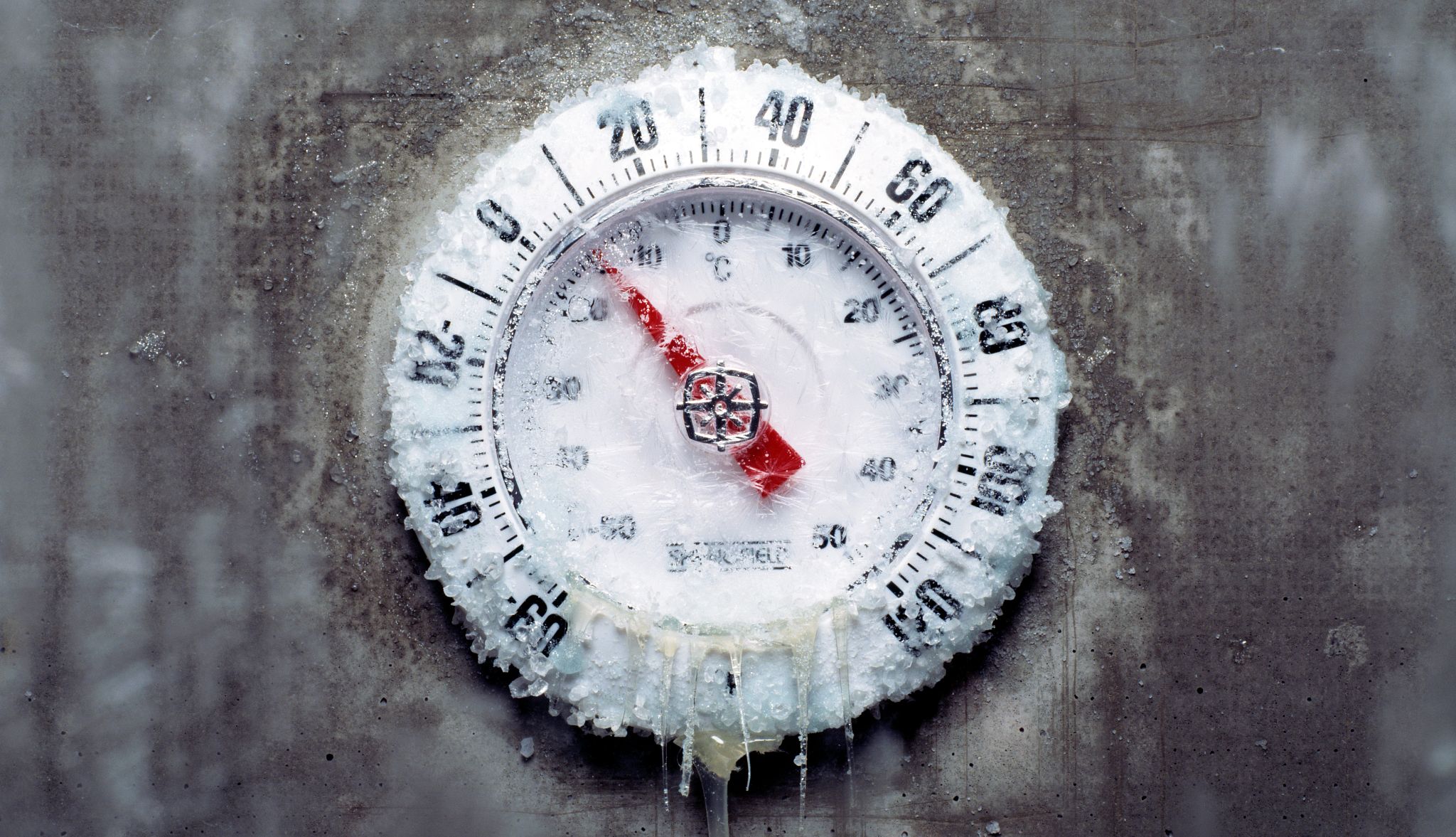
    thermometer

    With cold air blanketing many areas of the country, public health experts are urging older adults to take certain precautions. Just like extreme heat poses unique risks for aging individuals, so does extreme cold.

    Much of it boils down to age-related changes that make older adults more likely to be affected by the cold, says Liron Sinvani, M.D., director of Geriatric Hospitalist Service at Northwell Health and an associate professor of medicine at the Donald and Barbara Zucker School of Medicine at Hofstra/Northwell.

    For example, people tend to lose muscle as they age — a condition known as sarcopenia — and muscle provides insulation and generates heat, Sinvani says. Older adults are also more likely to have thinner skin, making it easier for heat to escape, and decreased blood flow, due to changes in their blood vessels. “All of these things culminate in a reduced ability to regulate their body heat,” putting them at greater risk for danger in cold weather, Sinvani explains.

    What’s more, certain medical conditions that become more common with age can make it harder to stay warm, according to the National Institute on Aging. Diabetes, which affects roughly one-third of adults 65 and older, can prevent blood from flowing normally, which disrupts temperature regulation. Thyroid problems can affect the body’s ability to maintain a normal body temperature, and memory problems can prevent people from taking certain precautions, like wearing warm clothing.

    When the body loses more heat than it can sustain, hypothermia can set in. This medical emergency, which occurs when the body’s core temperature drops below 95°F, can lead to serious health issues, like heart failure and organ damage, and can be life-threatening.

    According to the Centers for Disease Control and Prevention (CDC), warning signs of hypothermia can include:  

    • Shivering
    • Exhaustion or feeling very tired
    • Confusion
    • Fumbling hands
    • Memory loss
    • Slurred speech
    • Drowsiness

    Cold weather can trigger, worsen heart and lung issues

    It’s not just hypothermia older adults need to worry about. Cold weather can cause or worsen other health problems, too.

    Especially in older adults, it can cause blood pressure to increase, “and that can strain the heart and increase risk for catastrophic events,” says Haitham Khraishah, M.D., a preventive cardiologist at University Hospitals Harrington Heart & Vascular Institute. The American Heart Association explains that when it’s cold out, our blood vessels constrict to prevent heat from escaping and to keep more blood around the body’s core — this is what causes blood pressure to rise.

    Extreme cold can also cause the blood to thicken, which can increase the risk of a blood clot, and up the odds of a heart attack or stroke, especially in people who already face higher cardiovascular risks, Khraishah adds.

    Researchers have tracked an uptick in heart attacks linked to shoveling snow, in part due to the effects of the cold on the cardiovascular system. Khraishah’s advice: “Do not overexert yourself” when the temperatures dip. “Especially patients with prior heart attacks or existing heart failure, [cold weather] can exacerbate those conditions, so pay attention,” he says.

    Another concern: Depression rates go up in the wintertime. “There’s much more isolation in January and February for older adults,” says Kenneth Koncilja, M.D., a physician in the Department of Internal Medicine and Geriatrics at Cleveland Clinic, and isolation has been linked to a number of negative health outcomes, including an increased risk of heart disease.

    When it comes to the respiratory system, dry, cold air can irritate the airways and worsen chronic conditions like COPD (chronic obstructive pulmonary disease) and asthma, Sinvani says. And it can make people more prone to infections by weakening the immune system, she adds. Results from a 2022 study published in The Journal of Allergy and Clinical Immunology suggest this is one reason why we see respiratory illnesses — cold, flu, COVID and more — spike in cold-weather months.

    Beware of medications and winter weather

    Some common medications can interfere with the body’s ability to regulate temperature, and the vast majority of older adults take at least one prescription medication. Examples include certain antidepressants, antipsychotics, narcotic pain medicines and sedatives, according to Mayo Clinic.

    A person who takes diuretics is at greater risk for dehydration, and being dehydrated increases the risk of hypothermia, Sinvani says. And medications that can cause drowsiness or affect balance — this could be an over-the-counter cold and flu medication or a prescription blood pressure drug — can prove hazardous in icy or snowy conditions. “It’s a perfect storm for falls,” Sinvani says.

    Prevent cold-related health hazards

    How cold is too cold? There’s no universal outdoor temperature that signals you’re in the danger zone, Khraishah says. A lot of it depends on where you live and how your body has adapted. Someone who lives in Maine, for example, may be able to tolerate cold weather better than someone who lives in Arizona, so the thermometer isn’t always a reliable indicator. The key, he says, is to listen to your body and the news.

    Opt in for weather alerts in your area, he says, and make sure you dress appropriately. The NIA suggests dressing in warm layers and wearing a hat, scarf and gloves to prevent heat loss through your head and hands.

    Koncilja says older adults who exercise regularly throughout the year tend to be more resilient to weather changes. If you live in an area where snow and cold keep you from walking and biking outdoors year-round, take your workout indoors and try mall walking, which is free.

    A few other tips: Limit the time you spend outside on cold-weather days, and if your clothes get damp or wet, be sure to change out of them as soon as you can.  

    Keep your home’s thermostat around 68°F or higher, Sinvani says, and make sure you’re staying hydrated. Wear shoes with good traction on the soles to reduce fall risks, Koncilja says, Also, check in on neighbors and friends to make sure their heat is working. “Let’s be good community members and look out for people,” Sinvani says.

    reprinted from https://www.aarp.org/